Showing posts with label denver ac. Show all posts

Monday, June 28, 2010

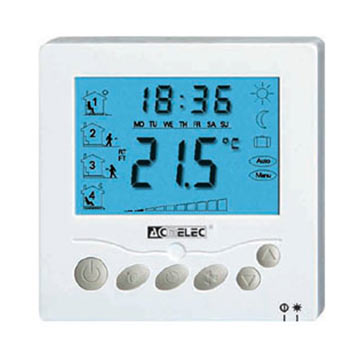
Programmable Thermostats and Zone Control


Programmable thermostats have taken the HVAC community by a storm with their ability to significantly reduce energy use when the air conditioning blower is not needed. The next big step in thermostat technology is zone control, where you can not only program the system to turn on and off, but you can set what areas turn on and off and what areas need what kind of ventilation. The technology basically breaks up the house into a bunch of independent interconnected units that each receive special attention from the thermostat.

Why this step has not been taken yet by most HVAC companies is a mystery to some professionals. On Denver air conditioning services company employee explained it like this:
"We already turn off our lights when we leave the room and close the vents to unused rooms, so why cant we apply simple cost saving features to AC, which costs many times more than lighting?"

With computer technology, a simple thermostat makes zoning much more advanced than just on/off. HVAC zone technology can make significant changes to areas that were previously hot or cold spots. This allows a much smaller and more efficient exterior unit to evenly heat a building that would have previously cost much more.

The zone control technology is just as easy to install as traditional Denver HVAC systems, but the number of manufacturers is still small. The two most popular brands right now for zone control are Arzel zone control and Bryant Evolution. One way these brands deliver energy saving is through longer cooling and heating cycles. Each time your unit cycles on and off there is a significant energy waste. The compressor fan has to run at an increased speed to make up for the time it was off. Zone thermostat systems try and maintain a lower compressor speed, targeted at the houses needs for a longer time. Reduced cycling is also much better at maintaining consistent interior temperature.

For a new building, installing programmable zone thermostats does not require much different other than using new ducts. For retrofitting old units, your Denver HVAC company will have to install dampers inside the existing ducts. These dampers redirect airflow to parts of the building that are not used. The actual work required to install the dampers is not much harder than a routine duct cleaning.

The effectiveness of a these new technologies can be enhanced with new geothermal heat pump products. The evolution of combined ventilation technology has reduced the overall consumption of HVAC units in the US by more than half in the last 20 years, while improving comfort and air quality.


The Failure of "Building Star"


After the success of the Energy Star system, some political pundits were pushing for the concept to be expanded to other areas of the US market. The Energy Star system awards electrical appliances that use significantly less energy with a government sponsored distinction notifying consumers of its environment and cost-saving abilities. The role of government in stimulating green businesses has been well established, so new legislation offering federal government incentives for well built buildings had a good chance of being a positive influence, although traditionally building codes were regulated on the state and local level.

Unfortunately, the HVAC industry works off lower paid employees, and the most recent legislative push to establish a "Building Star" system included regulations that made it mandatory to pay construction workers according to federal wage requirements. This legislation could not get the approval of the largest air conditioning trade group: the Air Conditioning Contractors of America because of these wage requirements. For example, many Denver air conditioning companies use immigrant or illegal labor. Without the support of these Denver HVAC companies and the ACCA as a whole, the legislation was doomed to fail.

The Building Star Energy Efficiency Act, as it was to be called would not only reward buildings that comply with the act with official designation, but also offer tax rebates as an incentive.

Some of the special features that a building would have to display to receive loans and rebates included: Mechanical Insulation, Advanced Exterior Lighting, and Envelope and Roof Insulation. These options, as well as incentives for new furnaces, variable speed compressors and heat pumps were popular with Denver air conditioner companies because they include technologies that they are already pushing on customers.

The real deal breaker turned out to be the government wage regulations. Although the Davis-Bacon requirements only require contractors to pay the "prevailing wage," contractors argued that the increase in labor costs would hamper job creation and make the certification much less appealing to most HVAC companies.

Friday, June 11, 2010

Energy Star Air Conditioning


The Energy Star label is a federal recognition of products that are more efficient in energy use than the average product in that category. Energy star is credited with being a driving force behind significant reductions in home energy use since its inception. HVAC Energy Star equipment has been especially effective because of new technologies and the fact that about half of domestic energy use in the US is used for heating and cooling.

On average, these goverment labled air conditioning products use about 1/5 less energy than other models. Depending on the size of the home, this can result in energy savings into the thousands. These units also contribute to America's goal of reduced emissions. Less energy used reduces pollution and energy demand, and therefore energy prices. Of course you will not see the benefits of an efficient air conditioning system without proper installation with sealed ducts.

Energy star has come under some criticism recently over certifying some products that were blatant energy wasters, however some standards still exist. Portable units are not eligible for Energy Star rating. Portable units are considered temporary cooling and are not yet covered under any federal standard. Denver HVAC companies often push for more efficient units because they cool better and the cheaper bills make for happier customers.


Something that is covered by the Energy Star act because it is much more efficient are integrated air source heat pumps. These heat pumps have two sets of coils, interior and exterior; heat pump works by taking advantage of the difference in temperature between the coils. For example,
air conditioning in Denver is less efficient than a heat pump. Despite popular belief, heat pumps can provide the ventilation aspect of HVAC as well, with dehumidifying and air quality control functions.

In order to take full advantage of energy saving HVAC equipment, you will need to know a few mind-bending acronyms. The first is the HSPF or heating seasonal performance factor. This measures one year's estimated worth of energy output for a unit. This is measured in Btu or British thermal units per amount of energy consumed in watt hours. These tests must meet the Air Conditioning Heating and Refrigeration Institute or AHRI test guidelines. EER, energy efficiency ratio is similar to SEER but on a shorter term. It measures instantaneous cooling ability divided by the energy use in watts.