Showing posts with label denver air conditioning services. Show all posts

Tuesday, August 17, 2010

HVAC Economizers

air conditioning services denver
HVAC economizers are called DDC systems in industry parlance. DDC stands for Direct Digital Control, basically computerized controls of HVAC air handlers instead of using mechanical systems to control the use of the air handler and other components. Computer technology has been able to provide dramatic energy savings for years, but the real advance recently is the ease of use for air conditioning services Denver technicians.

Instead of being pre-installed at the factory, now your HVAC technician can modify the DDC settings on site. This is a powerful new tool for Denver HVAC companies because they can customize air handler use or program zone control by site. Economizers do need extra ductwork and equipment to maximize their efficiency. One way economizers do this is by using outside air for heating or cooling when the conditions are right. When the outside air is at a temperature compatible with your comfort settings, there is no reason to use mechanical heating or cooling to do extra work.

Commercial building codes in Colorado require a certain amount of air to be circulated through the building every hour. There is no need to treat the excess air needed beyond the heating requirements. The dampers that control this excess air are often inadequate compared to digital economizers. If not calibrated after installation, these dampers often malfunction to the point that the building owners disable the devices within a year.

A common economizer in furnaces uses the heat from exhaust flue gases to make full use of boiler energy. These units are not overly complicated but it might be easier to use a specialty furnaces services Denver company for these kinds of installations or repairs. The economizer digital controls should work directly with the HVAC control system. These new digital units spit out charts and graphs of performance and can be monitored remotely.

In order for the DDC economizer to do its job correctly, it needs inputs, or information gathering sources so it can see how the HVAC system and the interior of the building are operating. One sensor should be a CO2 sensor inside the building. This allows the air handler to decide when to operate without an air damper. When C02 is at safe levels, the system will re-condition the air, significantly saving energy venting cooled air outside. The sensor is built to override everything else for safety. Two more sensors should gather outside air temperature and humidity. One way the unit can maintain good indoor air quality is to keep the building at slight pressure. This stops air infiltration which can lead to unwanted moisture or pollutants in the building.

Monday, June 28, 2010

Programmable Thermostats and Zone Control


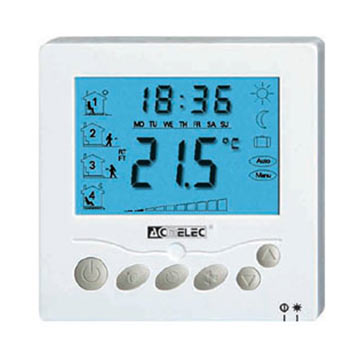
Programmable thermostats have taken the HVAC community by a storm with their ability to significantly reduce energy use when the air conditioning blower is not needed. The next big step in thermostat technology is zone control, where you can not only program the system to turn on and off, but you can set what areas turn on and off and what areas need what kind of ventilation. The technology basically breaks up the house into a bunch of independent interconnected units that each receive special attention from the thermostat.

Why this step has not been taken yet by most HVAC companies is a mystery to some professionals. On Denver air conditioning services company employee explained it like this:
"We already turn off our lights when we leave the room and close the vents to unused rooms, so why cant we apply simple cost saving features to AC, which costs many times more than lighting?"

With computer technology, a simple thermostat makes zoning much more advanced than just on/off. HVAC zone technology can make significant changes to areas that were previously hot or cold spots. This allows a much smaller and more efficient exterior unit to evenly heat a building that would have previously cost much more.

The zone control technology is just as easy to install as traditional Denver HVAC systems, but the number of manufacturers is still small. The two most popular brands right now for zone control are Arzel zone control and Bryant Evolution. One way these brands deliver energy saving is through longer cooling and heating cycles. Each time your unit cycles on and off there is a significant energy waste. The compressor fan has to run at an increased speed to make up for the time it was off. Zone thermostat systems try and maintain a lower compressor speed, targeted at the houses needs for a longer time. Reduced cycling is also much better at maintaining consistent interior temperature.

For a new building, installing programmable zone thermostats does not require much different other than using new ducts. For retrofitting old units, your Denver HVAC company will have to install dampers inside the existing ducts. These dampers redirect airflow to parts of the building that are not used. The actual work required to install the dampers is not much harder than a routine duct cleaning.

The effectiveness of a these new technologies can be enhanced with new geothermal heat pump products. The evolution of combined ventilation technology has reduced the overall consumption of HVAC units in the US by more than half in the last 20 years, while improving comfort and air quality.